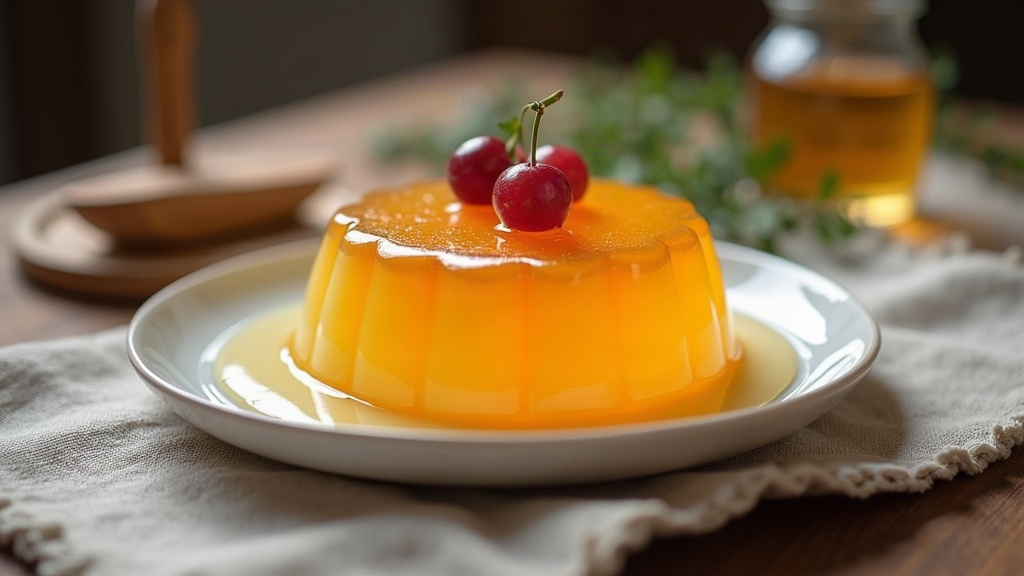
Long before routines got complicated, men in slow, unhurried villages kept a simple end-of-day ritual made from baking soda – honey gelatin. This page just reads about the tradition — nothing is promised, nothing is sold here.
Illustrative composite examples. Individual results vary. Not a guarantee.
A few quiet frustrations tend to show up around the same age — and they rarely arrive one at a time.
Evenings that once felt calm start to feel scattered, like the body never quite gets the signal to slow down.
Bedtimes drift later, mornings start rougher, and the old rhythm slowly loses its shape.
Small evening habits — a warm drink, a quiet pause — often get dropped first when days get busy.
Without a wind-down routine, heavier late-night habits tend to fill the gap instead.
A few misunderstandings tend to follow any old tradition once it resurfaces online.
This village habit is a modern wellness trend.
Historical accounts describe honey-and-gelatin preparations passed down through families long before wellness branding existed.
Baking soda – honey gelatin is presented here as a treatment for something.
This page treats it strictly as a traditional evening habit and a piece of lifestyle history — not a treatment, cure, or medical solution.
These habits only made sense because people ate differently long ago.
Historians point out that the ritual itself — the pause, the consistency — mattered as much as any single ingredient.
Village elders described a routine that stayed remarkably consistent across generations.
The habit was tied to a fixed hour, not squeezed in whenever there was time left over.
The baking soda – honey gelatin mixture was made without rushing — part of the ritual was the unhurried pace itself.
The evening pause was treated as its own small event, separate from the rest of the day’s tasks.
In a handful of slower-paced villages, evenings followed a familiar pattern: chores done, lamps dimmed, and a small preparation made from honey, gelatin, and a pinch of baking soda set aside for the night. It wasn’t treated as medicine — it was treated as a marker that the day was over. Grandparents passed the habit to parents, who passed it along without much explanation beyond ‘this is just what we do before bed.’
The insight worth keeping isn’t the ingredient list — it’s the consistency. A fixed evening pause, repeated for decades, mattered more than any single component.
If restless nights repeat for weeks rather than days, it's worth bringing up with a healthcare professional.
Ongoing tiredness that doesn't ease with rest deserves a proper conversation, not a guess.
Shifts in digestion that stick around for more than a couple of weeks are worth checking rather than waiting out.
Irritability or low mood without an obvious cause is a reasonable thing to mention at a check-up.
A noticeable change in appetite, either direction, is something a doctor can help make sense of.
Putting off routine visits tends to let small signals go unnoticed for longer than they should.
No. This page is an editorial read about a traditional evening habit — it doesn’t sell or prescribe anything.
No. Nothing here should be treated as medical advice, diagnosis, or treatment. Speak with a healthcare professional for anything health-related.
Accounts describe it as a village-level evening tradition, passed down informally through families rather than documented formally.
These were common pantry staples in the regions where the habit is described — accessible and inexpensive at the time.
No. This content is educational and historical in framing, not a claim about outcomes or results.
Readers curious about older lifestyle habits, particularly men over 50 interested in the history behind evening routines.
This page focuses on tradition and anecdotal history rather than presenting formal research or statistics.
Read the complete account of this village habit, the tradition behind baking soda – honey gelatin, and how it was passed down through generations.
Advertising Disclosure: This page contains sponsored content and affiliate links. We may receive compensation if you click a link or make a purchase, at no additional cost to you.
Content Disclaimer: This content is for educational purposes only and has not been evaluated by the FDA. It is not intended to diagnose, treat, cure, or prevent any disease. Always consult a qualified healthcare professional before making changes to your health routine.
Results Disclaimer: Individual results vary. Testimonials reflect illustrative composite examples and are not a guarantee of any outcome.
© 2026 · All Rights Reserved